

But not all sleep studies or sleep labs are the same. Knowing what to look for helps them avoid delays, surprise costs, and results that do not fully answer their questions.
What symptoms suggest they might need a sleep study?
They may need a sleep study near me search if they snore loudly, wake up choking or gasping, or still feel exhausted after a full night’s sleep. Frequent morning headaches, dry mouth, mood changes, and difficulty concentrating can also be signs of an underlying sleep disorder.
Doctors commonly order sleep studies to evaluate obstructive sleep apnea, central sleep apnea, restless legs concerns, insomnia patterns, and unusual nighttime behaviors.
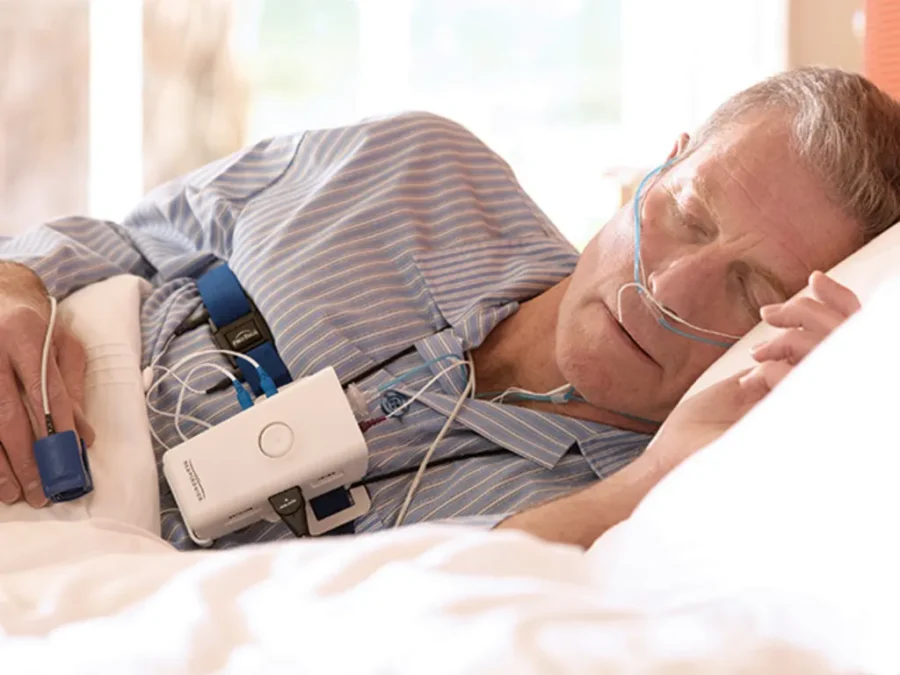
Should they choose an in-lab sleep study or an at-home test?
In-lab studies tend to be more comprehensive because they measure more signals and are supervised. They are often preferred when symptoms are complex, when other conditions are involved, or when an earlier test was unclear.
At-home sleep apnea tests are usually simpler and more convenient, but they primarily screen for sleep apnea. If they suspect something beyond apnea, they should ask whether an in-lab study would be more appropriate.
What credentials and accreditation should they look for?
They should look for a lab that is accredited by a recognized body (often mentioned directly on the clinic’s site) and a provider who is board-certified in sleep medicine. This increases the odds that the study is run correctly and interpreted consistently.
If they cannot find credentials online, they can call and ask who interprets the study and what their qualifications are.
What questions should they ask about the test itself?
They should ask what the study measures and what type of study is being ordered. For in-lab testing, they can ask whether it is a full-night diagnostic study, a split-night study (diagnosis plus CPAP trial), or a titration study.
For at-home tests, they should ask what equipment is included, whether they will be coached on setup, and what happens if the device data is incomplete.
How do they know if the facility is convenient and comfortable?
They should prioritize a location that is realistically accessible, especially if they are exhausted or anxious about the appointment. Easy parking, clear check-in instructions, and flexible scheduling can matter more than people expect.
Comfort details are worth asking about too: private rooms, bathroom access, noise policies, and whether they can bring their own pillow. A better night of sleep often leads to better data.
What should they check about cost and insurance coverage?
They should confirm whether the lab is in-network and ask for an estimate that includes the study, scoring, interpretation, and follow-up visit. They should also ask whether there are separate charges from the facility and the physician.
If they have a high deductible plan, they should ask for the cash price and whether payment plans are available. Clarity upfront prevents billing surprises later.
How fast will they get results and a treatment plan?
They should ask when results are typically ready and how they will be delivered. Some clinics provide a written report plus a follow-up appointment, while others may only summarize results unless they request the full report.
They should also ask what happens next if the test confirms sleep apnea or another condition. A good clinic will have a clear pathway from diagnosis to treatment, not just a report.
Do they offer treatment options after the diagnosis?
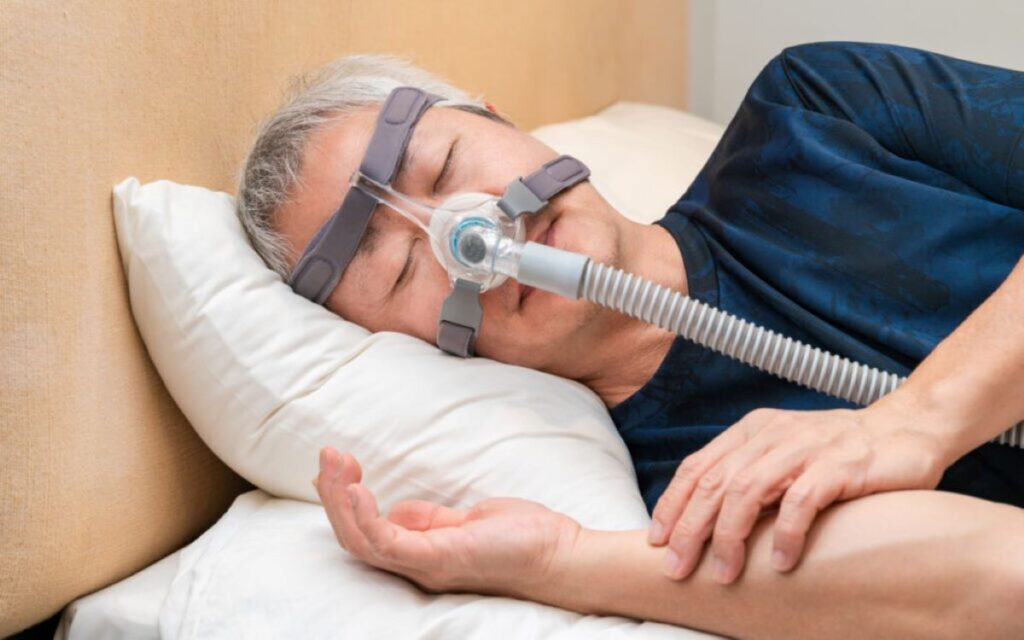
They should look for a provider who can manage care after the study, not just run the test. That may include CPAP/APAP setup and troubleshooting, oral appliance referrals, insomnia treatment (CBT-I), or coordination with ENT or pulmonary specialists.
If they already suspect sleep apnea, they should ask whether the clinic supports mask fittings, compliance documentation (if needed), and follow-ups to adjust therapy.
What reviews or red flags should they pay attention to?
They should look for reviews mentioning billing transparency, clear instructions, and responsive follow-up. Consistent complaints about surprise charges, lost results, or difficulty getting appointments are red flags.
They should also be cautious if a clinic pushes one solution for everyone without reviewing symptoms, medical history, and test results in context.
What should they bring and how should they prepare?
They should follow the clinic’s instructions closely, but generally they may be asked to avoid caffeine late in the day and keep hair and skin product-free for better sensor contact. They should bring comfortable sleepwear and a list of medications.
If they are doing an at-home test, they should schedule a night that reflects normal sleep as much as possible and ask what to do if they sleep poorly or the device seems to fail.
How can they choose the best “sleep study near me” option quickly?
They can narrow options by confirming three things: the right test type for their symptoms, qualified interpretation, and transparent pricing. After that, practical factors like scheduling speed, location, and follow-up support usually decide the best fit.
If they want a simple script for calling, they can ask: “Is the lab accredited, who interprets the study, what is the estimated total cost, and how soon do results and treatment steps happen?”
More to Read : Comparing At-Home vs Clinic Options for Sleep Testing Brisbane