

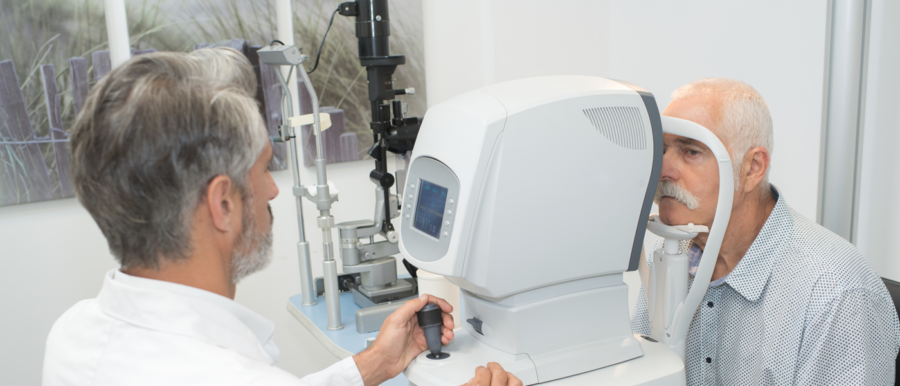
For busy professionals and those with active lifestyles, clear vision is essential. However, living with dry eyes can make wearing contact lenses or even glasses uncomfortable. Many wonder if laser eye surgery is a safe option. While procedures like LASIK can provide freedom from corrective eyewear, dry eyes require careful consideration. Understanding the risks, alternatives, and expert guidance ensures safe, effective vision correction.
See more: A Closer Look at Cataract Surgery Sydney: Pros, Cons, and Costs
Understanding Dry Eyes and Laser Eye Surgery
Dry eye syndrome occurs when the eyes do not produce enough tears or when tear quality is poor. Symptoms include irritation, burning, blurred vision, and sensitivity to light. Laser eye surgery can sometimes exacerbate dryness, making proper evaluation critical before proceeding.
Who benefits most: Individuals with mild dryness and stable tear production may still be suitable candidates.
Risks of Laser Eye Surgery for Dry Eyes
1. Temporary Increase in Dryness
Post-surgery, it’s common for eyes to feel drier than usual.
Practical impact: Discomfort, fluctuating vision, and irritation can occur.
Who it affects most: Patients with pre-existing dry eye symptoms.
2. Delayed Healing
Dry eyes can slow the cornea’s recovery after LASIK or PRK.
Practical impact: Longer post-operative discomfort and extended use of lubricating drops.
Who it affects most: Office workers exposed to prolonged screen time or low-humidity environments.
3. Fluctuating Vision
Dry eyes can cause temporary blurred vision after surgery.
Practical impact: Visual clarity may vary throughout the day, affecting work or driving.
Who it affects most: Professionals requiring precise visual performance.
4. Increased Risk of Complications
Severe dryness may increase susceptibility to infection or corneal irregularities.
Practical impact: Requires closer monitoring and possible additional treatments.
Who it affects most: Patients with chronic or severe dry eye syndrome.
Alternatives and Precautions
5. PRK Instead of LASIK
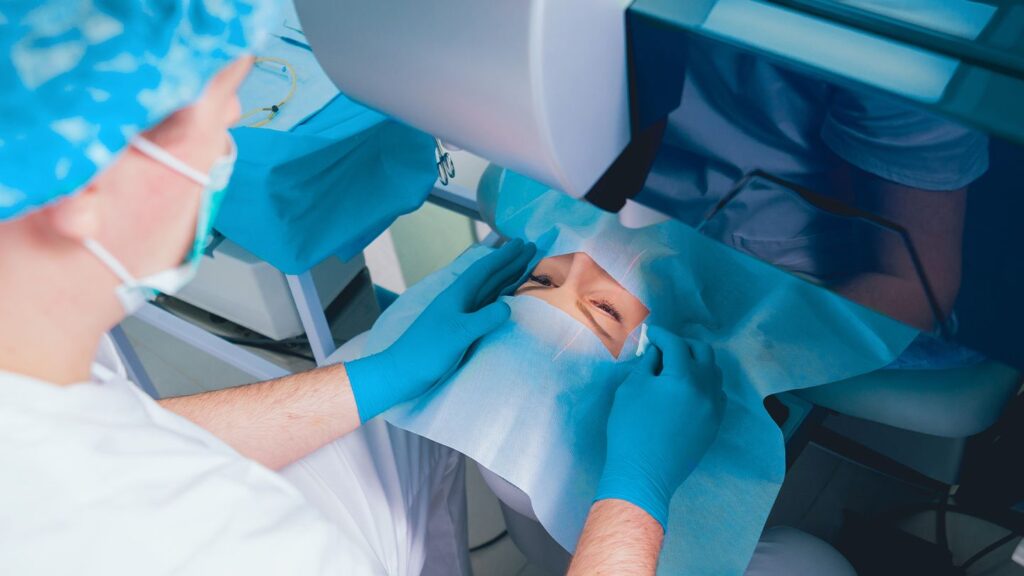
Photorefractive keratectomy (PRK) can be safer for dry eyes as it does not create a corneal flap.
Practical impact: Reduced risk of worsening dryness while still correcting vision.
Who it benefits most: Individuals with mild-to-moderate dry eye seeking LASIK alternatives.
6. Tear Supplements and Therapy
Artificial tears, gels, or punctal plugs can improve eye hydration.
Practical impact: Stabilises tear film, improving comfort and visual outcomes after surgery.
Who it benefits most: Patients with mild to moderate dry eye preparing for vision correction.
7. Intense Pulsed Light Therapy
IPL therapy can improve meibomian gland function, helping oil secretion in tears.
Practical impact: Reduces post-surgery dryness and supports faster recovery.
Who it benefits most: Individuals with evaporative dry eye.
8. Temporary Contact Lens Alternatives
Scleral lenses can protect the cornea while maintaining hydration.
Practical impact: Provides safe vision correction until the eyes are ready for surgery.
Who it benefits most: Those with severe dry eye awaiting procedures.
9. Customized Surgery Plans
Specialist evaluation can adjust laser parameters to minimise dryness impact.
Practical impact: Enhances comfort and reduces complications.
Who it benefits most: Patients with borderline dry eye who still want LASIK or PRK.
10. Regular Specialist Follow-Up
Ongoing monitoring ensures early intervention if dryness worsens.
Practical impact: Helps maintain eye health and long-term visual clarity.
Who it benefits most: Active professionals, athletes, and frequent travelers seeking lasting results.
Benefits of Laser Eye Surgery for Eligible Candidates
1. Freedom from Glasses or Contacts
Convenience and clear vision without eyewear.
2. Time-Saving Convenience
Eliminates daily lens care and cleaning routines.
3. Enhanced Athletic Performance
No glasses slipping or contacts drying during sports.
4. Increased Confidence
Clear vision boosts personal and professional confidence.
5. Reduced Risk of Eye Infections
Less reliance on contacts lowers infection risk.
6. Simplified Morning Routine
Wake up with naturally clear vision.
7. Long-Term Cost Savings
Avoids ongoing expenses for corrective lenses and solutions.
8. Improved Travel Experience
Stress-free travel without lens maintenance.
9. Quick Return to Work and Daily Activities
Modern procedures like LASIK or PRK have minimal downtime.
10. Customised Treatment for Optimal Results
Specialist-guided procedures tailored to individual needs.
FAQs About Laser Eye Surgery and Dry Eyes
Q1: Can someone with mild dry eyes have LASIK?
Yes, patients with mild, well-managed dry eyes may still be eligible. Specialists typically recommend pre-treatment with tear supplements or therapy to stabilise tear film before surgery, ensuring safer outcomes and improved comfort.
Q2: How long does post-LASIK dryness last?
Most patients experience temporary dryness for a few weeks to months. Using prescribed lubricating drops and following specialist advice helps minimise discomfort and speeds recovery. Severe cases may require additional treatment.
Q3: Are there alternatives for severe dry eyes?
PRK, scleral lenses, or tear therapy are often recommended for patients with significant dry eye. These approaches reduce risks and provide safe vision correction without worsening dryness.
Q4: Can dry eyes affect visual clarity after surgery?
Yes, fluctuating tear film can cause temporary blurred vision. Proper pre- and post-surgery management, including hydration and follow-ups, ensures stable long-term results.
Q5: Should I see a specialist before LASIK if I have dry eyes?
Absolutely. A thorough evaluation by an eye specialist determines suitability, provides tailored treatment plans, and minimises risks related to dryness, ensuring safe and effective surgery outcomes.