
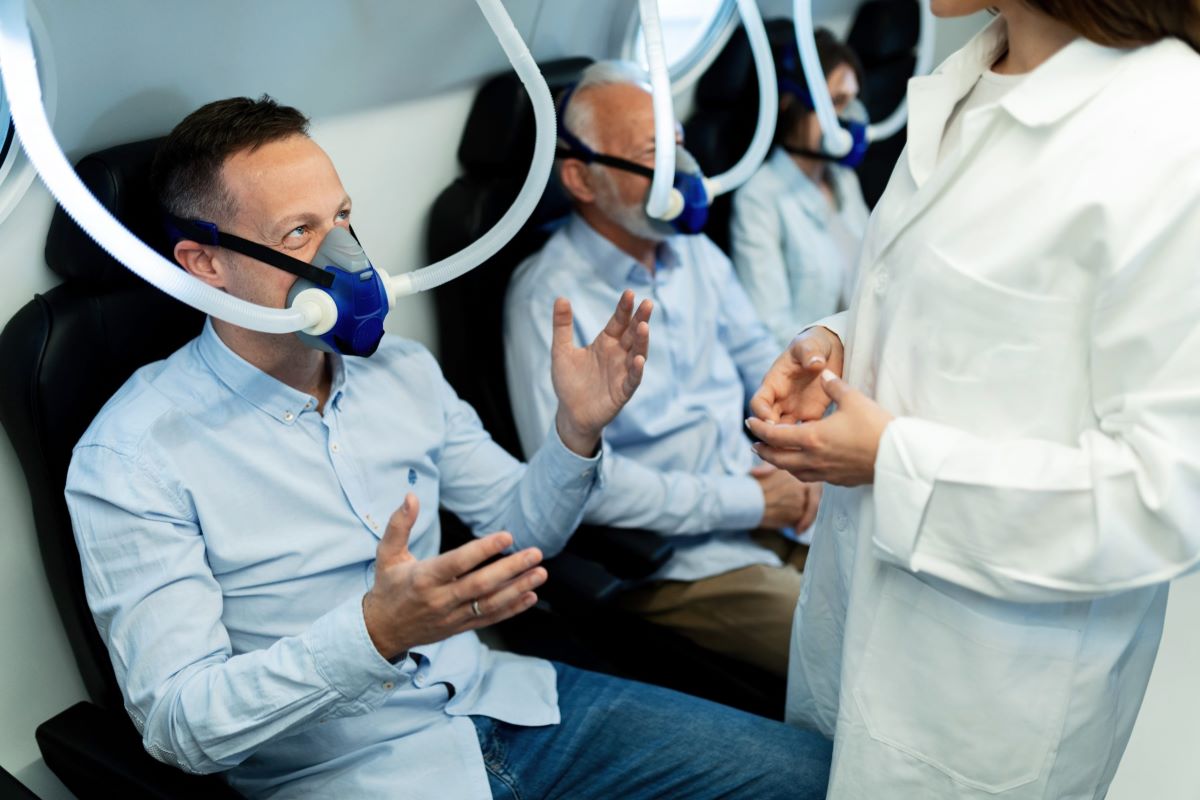
Below are six things they should check before committing to a device.
What type of CPAP therapy do they actually need?
CPAP machine Australia users should start with the therapy type their sleep report recommends, because the machine category affects both comfort and price. Most people use fixed-pressure CPAP, while others need Auto CPAP (APAP) that adjusts pressure throughout the night.
If their prescription mentions bilevel (BiPAP/VPAP), they typically need a different machine again, often for higher pressures or specific breathing needs. Matching the CPAP machine Australia to the prescription is non-negotiable.
How quiet is the CPAP machine in real-world use?
Noise matters because it affects not only their sleep, but also a partner’s. Many machines advertise low decibel ratings, but real-world sound depends on settings, airflow, mask type, and even the bedside surface.
They should look for consistent reports of quiet operation, not just a single number on a spec sheet. It also helps to check whether the machine stays quiet during pressure changes, since some devices are louder when ramping up.
Which comfort features will help them stay consistent?
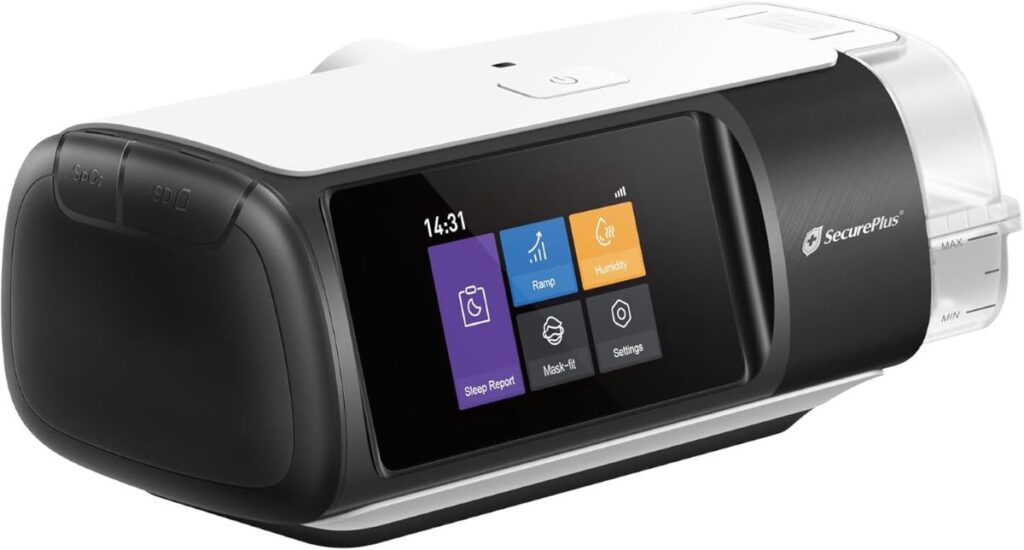
Comfort features often decide whether someone uses CPAP long term. A ramp feature can make it easier to fall asleep by starting at a lower pressure and gradually increasing.
Exhalation relief can reduce the “pushing back” feeling during breathing out, which some users find uncomfortable. Heated humidification is another key feature, especially if they get dry mouth, nasal dryness, or irritation. If they live in a cooler area, a heated tube can also help reduce condensation in the tubing. Check out more about Is It Safe to Buy a CPAP Mask Online?
How easy is it to track results and share data with a clinician?
Data can help confirm whether therapy is working, and it can speed up troubleshooting if it is not. Many modern machines provide daily metrics such as AHI, leak rates, and usage hours.
They should check how data is accessed: on-screen summaries, SD card reports, or a mobile app with cloud syncing. If their clinician wants regular reporting, they will want a device that exports data easily and reliably, without extra paid add-ons.
What will ongoing ownership cost in Australia?
The machine is only part of the expense. Masks, cushions, filters, tubing, and humidifier chambers need replacement on a schedule, and those costs add up.
They should confirm local availability of compatible supplies in Australia, not just online listings from overseas. Warranty length, local support, and service options also matter. A cheaper machine can become expensive if parts are hard to get, warranties are short, or support is limited.
How portable does the CPAP machine need to be?
If they travel, portability becomes a major factor. Standard home CPAP machines are often fine for occasional trips, but frequent travellers may prefer a smaller device that fits easily into carry-on luggage.
They should check size, weight, power requirements, and whether the device supports battery use if they camp or travel remotely. It is also worth confirming whether theirs can run on universal voltage and whether they will need an adapter for different plugs when travelling internationally.
Other Resources : Home Respiratory Program (HRP) – Providing equipment for long term respiratory support
Conclusion: What choice is most likely to work long term?
The best CPAP machine is usually the one they can use consistently, not the one with the most features. If they match the therapy type to the prescription, prioritise comfort, confirm easy data tracking, and plan for ongoing costs and supplies, they are far more likely to stick with treatment and feel the benefit.
FAQs (Frequently Asked Questions)
What type of CPAP therapy should I choose based on my prescription in Australia?
You should start with the therapy type recommended in your sleep report. Most people use fixed-pressure CPAP, while others may need Auto CPAP (APAP) that adjusts pressure throughout the night. If your prescription mentions bilevel (BiPAP/VPAP), you’ll need a different machine suited for higher pressures or specific breathing needs. Matching the machine to your prescription is essential for effective treatment.
How important is the noise level of a CPAP machine for sleep quality?
Noise level is crucial as it affects both your sleep and that of your partner. While many machines advertise low decibel ratings, real-world noise depends on settings, airflow, mask type, and bedside surface. Look for consistent reports of quiet operation, especially during pressure changes like ramping up, to ensure minimal disturbance.
Which comfort features should I look for to maintain consistent CPAP use?
Key comfort features include a ramp function that starts at lower pressure and gradually increases to help you fall asleep, exhalation relief to reduce discomfort during breathing out, heated humidification to prevent dry mouth or nasal irritation, and a heated tube to reduce condensation if you live in cooler climates. These features greatly enhance long-term compliance.
How can I track my CPAP therapy results and share data with my clinician?
Modern CPAP machines often provide daily metrics such as AHI, leak rates, and usage hours. Check how data is accessed—via on-screen summaries, SD card reports, or mobile apps with cloud syncing. Ensure your device can export data easily and reliably without extra fees if your clinician requires regular reporting for monitoring therapy effectiveness.
What are the ongoing costs of owning a CPAP machine in Australia?
Beyond the initial machine cost, you’ll need to budget for replacement masks, cushions, filters, tubing, and humidifier chambers which require periodic replacement. Confirm local availability of these supplies in Australia to avoid delays or extra shipping costs. Also consider warranty length and local support services as cheaper machines can become costly if parts are hard to source or warranties are limited.
How do I choose a portable CPAP machine suitable for travel?
If you travel frequently, portability is key. Standard home CPAPs are fine for occasional trips but frequent travellers may prefer smaller devices that fit carry-on luggage easily. Consider size, weight, power requirements, battery support for camping or remote travel, universal voltage compatibility, and whether you’ll need plug adapters when travelling internationally.